Fringe players and the diplomatic order : the new heteronomy? /
"This book combines organization theory oriented institutionalism with Eisenstadt's work on comparative liminality, to develop a unique analytical framework and explore the dynamic of stability and change in institutionalized orders. It then applies this framework to analyze ways how three...
| Main Author: | |
|---|---|
| Other Authors: | |
| Format: | Book |
| Language: | English |
| Published: |
Hondmills, Basingstoke, Hampshire ; New York, NY :
Palgrave Macmillan,
2014.
|
| Series: | Studies in diplomacy and international relations.
|
| Subjects: | |
| Online Access: | Cover image |
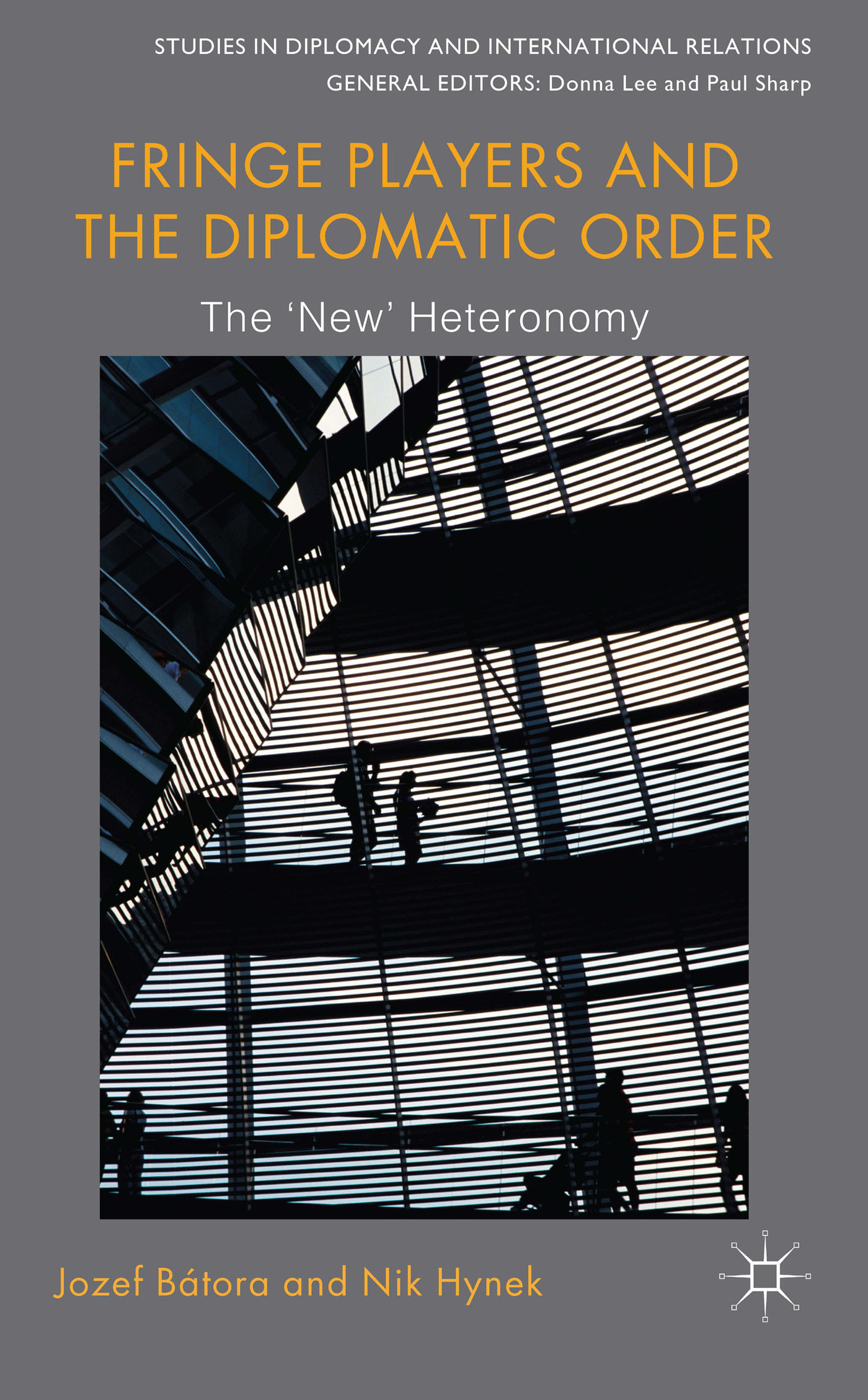
| Summary: | "This book combines organization theory oriented institutionalism with Eisenstadt's work on comparative liminality, to develop a unique analytical framework and explore the dynamic of stability and change in institutionalized orders. It then applies this framework to analyze ways how three fringe players of the modern diplomatic order - the Holy See (HS), the Sovereign Military Order of Malta (SMOM), and the European Union (EU) - have been accommodated within that order. Batora and Hynek reveal that the modern diplomatic order is less state-centric than conventionally assumed and is instead better conceived of as a heteronomy - an order characterized by co-existence of units with different age, and structurally and ontologically different principles of growth and operation. They argue that this heteronomous character of the modern diplomatic order renders it more robust and far less susceptible to change than much of the proliferating literature on the changing nature of diplomacy has presented it"-- |
|---|---|
| Physical Description: | vii, 214 pages ; 23 cm. |
| Bibliography: | Includes bibliographical references (pages 187-205) and index. |
| ISBN: | 9780230363939 (hardback) 0230363938 (hardback) |